

Rug pulls: from right under you
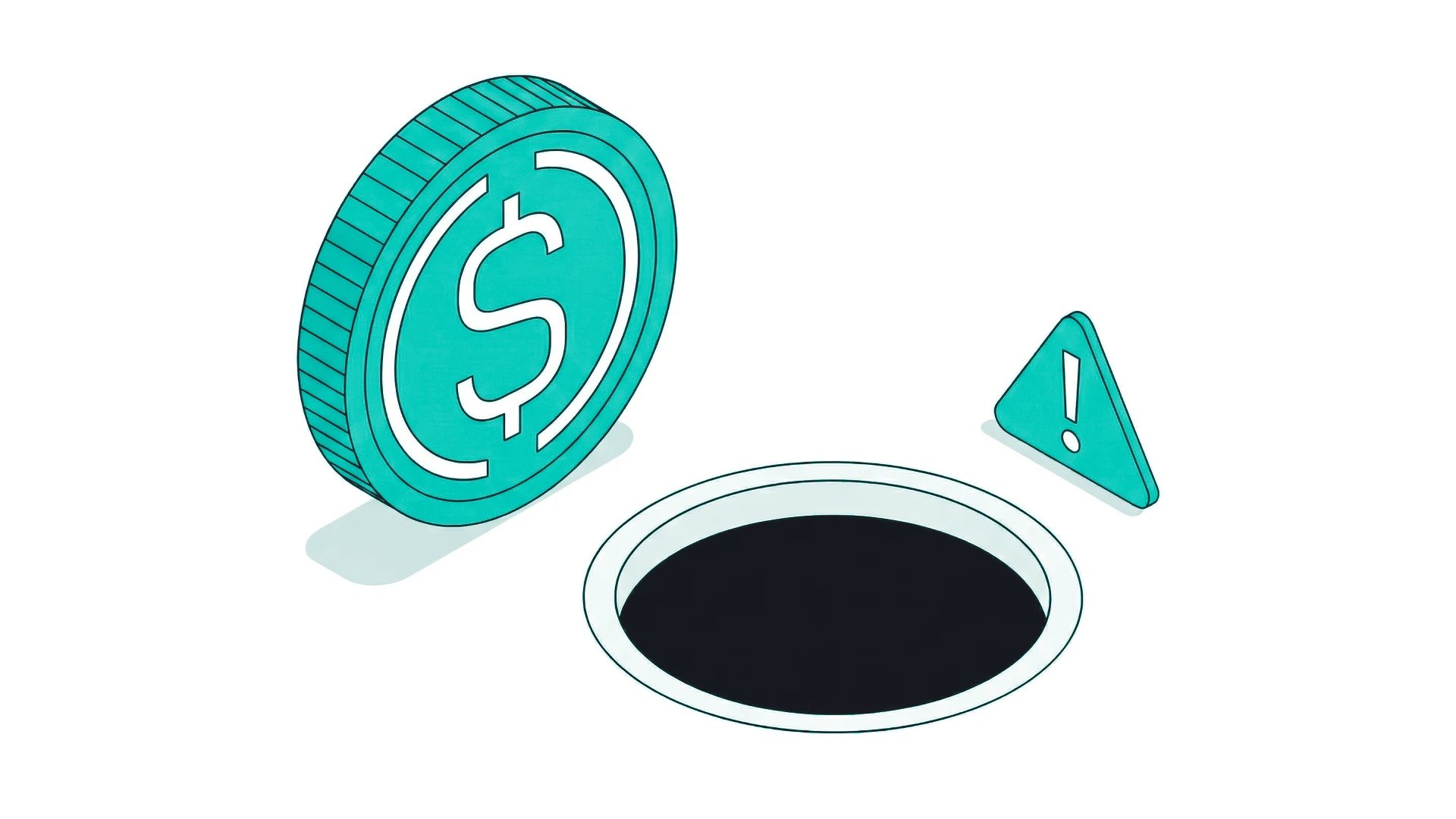
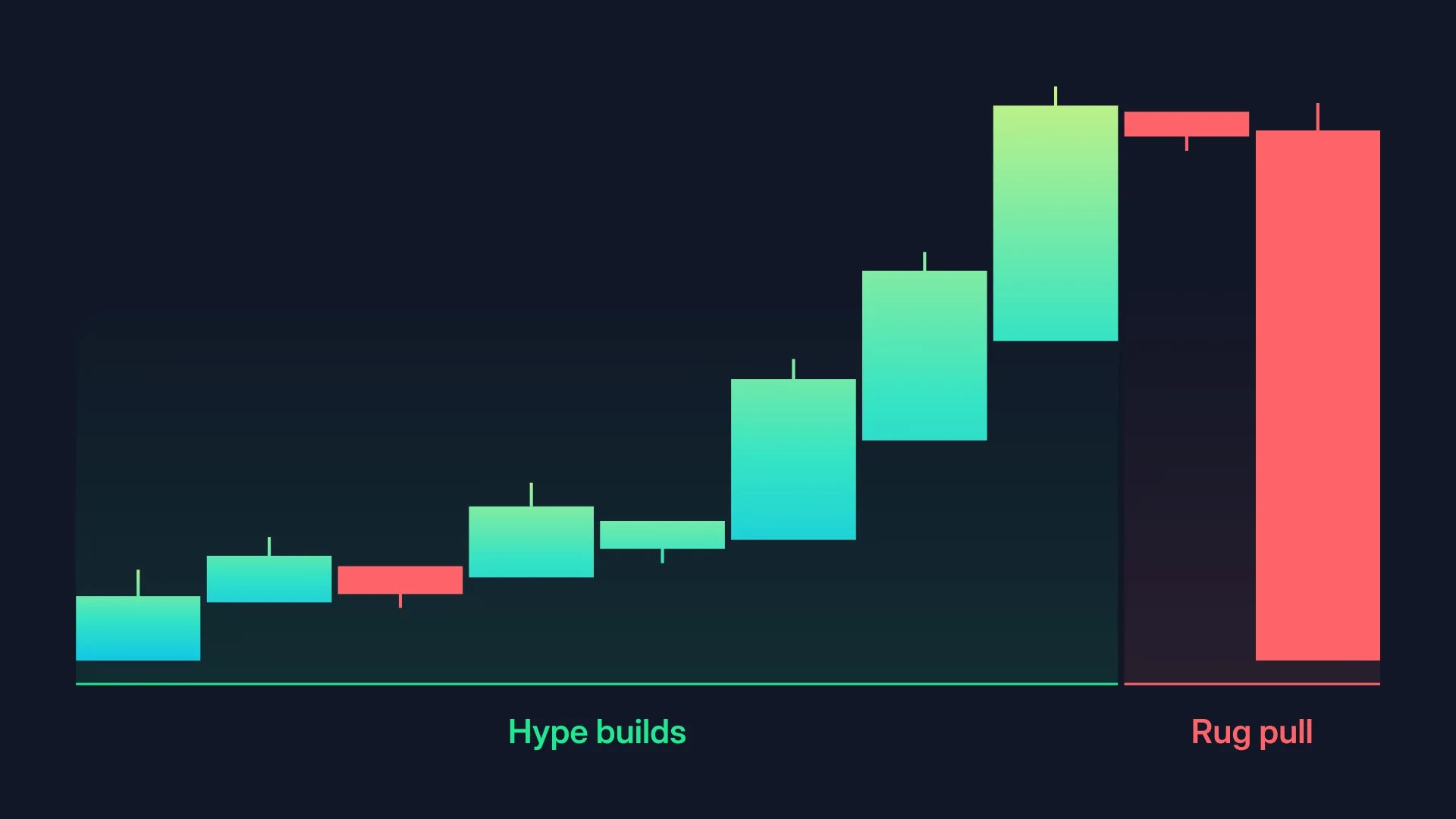
A rug pull occurs when the creators of a project, usually a new token or protocol, build up hype and liquidity, then abruptly drain the funds and disappear, leaving investors with worthless assets. Signs to watch for include:- anonymous teams with no verifiable track record;
- promises of extremely high or guaranteed yields;
- no public audit from a reputable security firm;
- social media accounts created very recently, with artificially inflated follower counts.
Fake airdrops
You may occasionally notice unfamiliar tokens appearing in your wallet that you never asked for. These unsolicited tokens, often called dust or spam, are sent to your address to lure you into interacting with a malicious contract or site. Do not try to swap, sell, or interact with tokens you do not recognize. Simply ignore them. In the Jupiter Mobile app, you can also hide them: tap the token, open the three-dot menu and select Hide. See Spam tokens.Verifying token legitimacy
On Solana, anyone can create a token in minutes and name it anything, including names identical to legitimate projects. Before buying an unfamiliar token, always verify its contract address against the official project website or another reputable source, then run the checks below.- Check the contract address: the token’s mint address should match the one published on the official project’s website. A token named “USDC” with a different address than the real USDC mint is a fake. On jup.ag, a token flagged as impersonating another shows a warning banner with a link to the legitimate asset.
- Look for the Verified badge: Jupiter marks verified tokens, and unverified ones carry a Not Verified entry in their JupShield warnings (see Token information). Verification confirms you have the right token, not that the token is safe. If a token is not verified and you don’t recognize it, treat it with caution.
- Read the safety indicators: token pages show mint and freeze authority, holder concentration, developer holdings and more, and JupShield warns about risks in the trade widget. They inform you; they do not guarantee anything. See Safety indicators, and AlphaScan for developer data on brand-new launches.
- Audit status matters: established DeFi protocols publish security audit reports from firms like Zenith, OtterSec, or Certora. No audits is a meaningful red flag. Jupiter lists the audits of its own programs on Security.
Go deeper
Risks and limitations
Fake tokens, developer authorities, rug pulls and the warnings Jupiter Spot shows.
Token page
The Verified badge, safety indicators and how tokens are listed and routed.
Token verification
What the Verified badge means, and what it does not guarantee.